 Knygos.lt nariams
 Knygos.lt nariams
- Išsiųsime per 7–14 d.d.

/images/books/15543877/69d63f27a30413c30732eba0e129a1c1.png)
/images/books/15543877/8f08d06b4063280bf3f9a2521fc3ffbd.jpg)
/images/books/15543877/fe172a8b2c31008d2045e1dddefd9d86.jpg)
/images/books/15543877/26d7fa9c7bd4768b6fb20de94e7f0196.jpg)
/images/books/15543877/98b0cdad380035a86bc2c07990b09236.jpg)
/images/books/15543877/9130c04abf71289584d9271106f4edd6.jpg)


- Autorius: Julia Watson
- Leidėjas: Taschen
- Metai: 2019
- Puslapiai: 420
- ISBN-10: 3836578182
- ISBN-13: 9783836578189
- Formatas: 24.4 x 17 x 3.1 cm, kieti viršeliai
- Kalba: Anglų
Atsiliepimai
Aprašymas
Three hundred years ago, intellectuals of the European Enlightenment constructed a mythology of technology. Influenced by a confluence of humanism, colonialism, and racism, this mythology ignored local wisdom and indigenous innovation, deeming it primitive. Today, we have slowly come to realize that the legacy of this mythology is haunting us.
Designers understand the urgency of reducing humanity’s negative environmental impact, yet perpetuate the same mythology of technology that relies on exploiting nature. Responding to climate change by building hard infrastructures and favoring high-tech homogenous design, we are ignoring millennia-old knowledge of how to live in symbiosis with nature. Without implementing soft systems that use biodiversity as a building block, designs remain inherently unsustainable.
Lo—TEK, derived from Traditional Ecological Knowledge, is a cumulative body of multigenerational knowledge, practices, and beliefs, countering the idea that indigenous innovation is primitive and exists isolated from technology. It is sophisticated and designed to sustainably work with complex ecosystems.
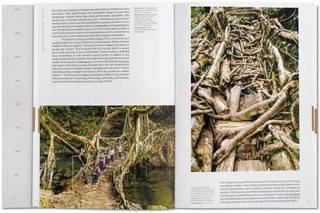
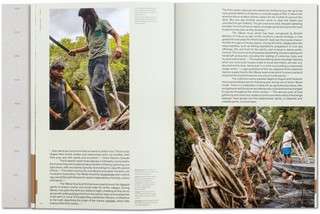
With a foreword by anthropologist Wade Davis and four chapters spanning Mountains, Forests, Deserts, and Wetlands, Julia Watson explores thousands of years of human wisdom and ingenuity from 18 countries including Peru, the Philippines, Tanzania, Kenya, Iran, Iraq, India, and Indonesia. We rediscover an ancient mythology in a contemporary context, radicalizing the spirit of human nature.
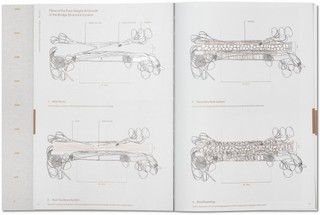
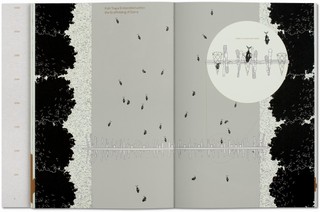
The tactile reading experience of Lo—TEK reflects the ingenuity of carefully selected projects with sophisticated design details: copper highlights the value of ancient knowledge, a cardboard hardcover echoes rawness, and the Swiss binding showcases an open spine and reveals the construction of the book, just as the book discloses hidden technological knowledge.


- Autorius: Julia Watson
- Leidėjas: Taschen
- Metai: 2019
- Puslapiai: 420
- ISBN-10: 3836578182
- ISBN-13: 9783836578189
- Formatas: 24.4 x 17 x 3.1 cm, kieti viršeliai
- Kalba: Anglų
Three hundred years ago, intellectuals of the European Enlightenment constructed a mythology of technology. Influenced by a confluence of humanism, colonialism, and racism, this mythology ignored local wisdom and indigenous innovation, deeming it primitive. Today, we have slowly come to realize that the legacy of this mythology is haunting us.
Designers understand the urgency of reducing humanity’s negative environmental impact, yet perpetuate the same mythology of technology that relies on exploiting nature. Responding to climate change by building hard infrastructures and favoring high-tech homogenous design, we are ignoring millennia-old knowledge of how to live in symbiosis with nature. Without implementing soft systems that use biodiversity as a building block, designs remain inherently unsustainable.
Lo—TEK, derived from Traditional Ecological Knowledge, is a cumulative body of multigenerational knowledge, practices, and beliefs, countering the idea that indigenous innovation is primitive and exists isolated from technology. It is sophisticated and designed to sustainably work with complex ecosystems.
With a foreword by anthropologist Wade Davis and four chapters spanning Mountains, Forests, Deserts, and Wetlands, Julia Watson explores thousands of years of human wisdom and ingenuity from 18 countries including Peru, the Philippines, Tanzania, Kenya, Iran, Iraq, India, and Indonesia. We rediscover an ancient mythology in a contemporary context, radicalizing the spirit of human nature.
The tactile reading experience of Lo—TEK reflects the ingenuity of carefully selected projects with sophisticated design details: copper highlights the value of ancient knowledge, a cardboard hardcover echoes rawness, and the Swiss binding showcases an open spine and reveals the construction of the book, just as the book discloses hidden technological knowledge.
Atsiliepimai